


Key Takeaways
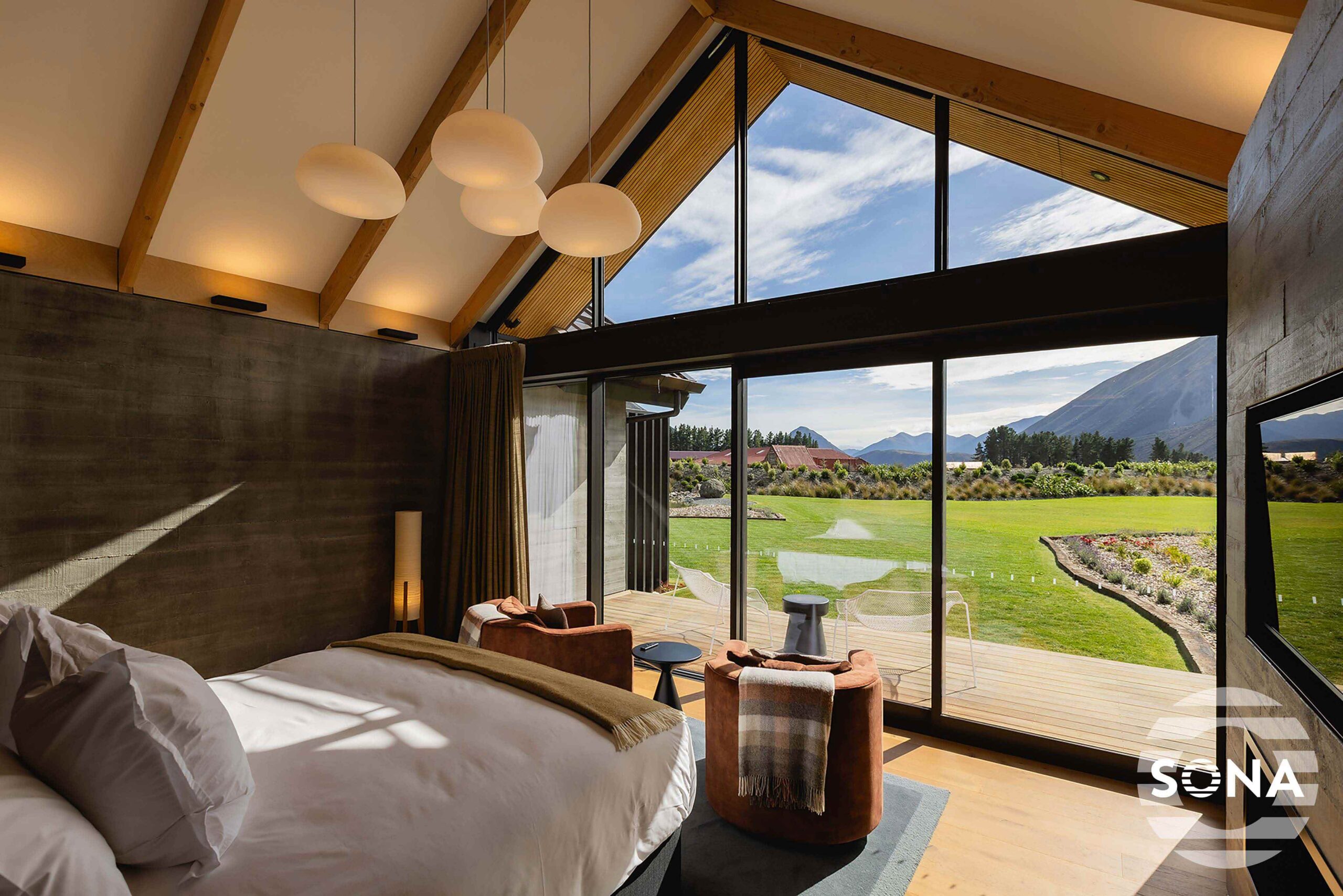
- Angled Windows Enhance Aesthetic Appeal: Their unique shapes add architectural interest, bring more light into a space, and create expansive views, making them standout features in modern and classic designs.
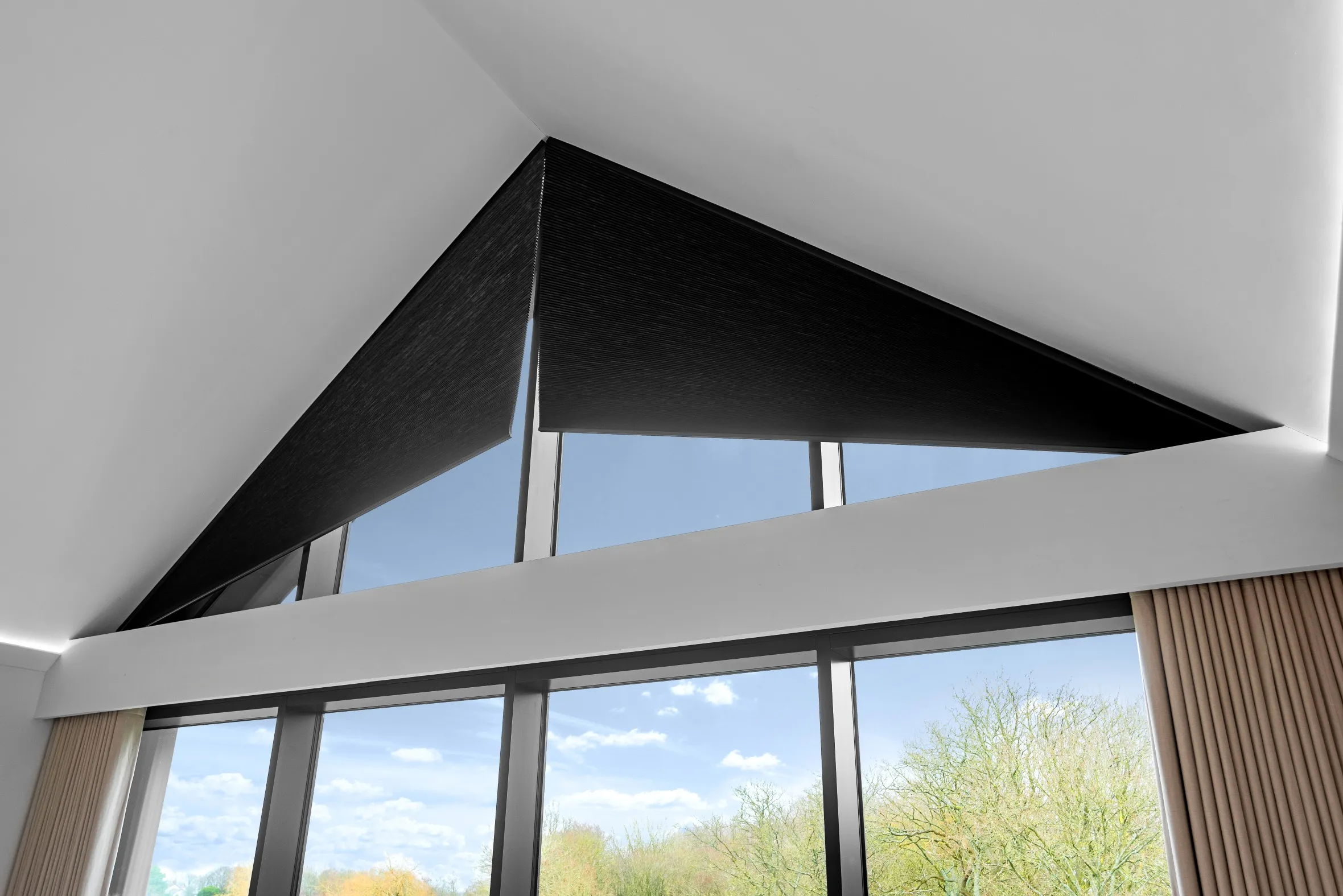
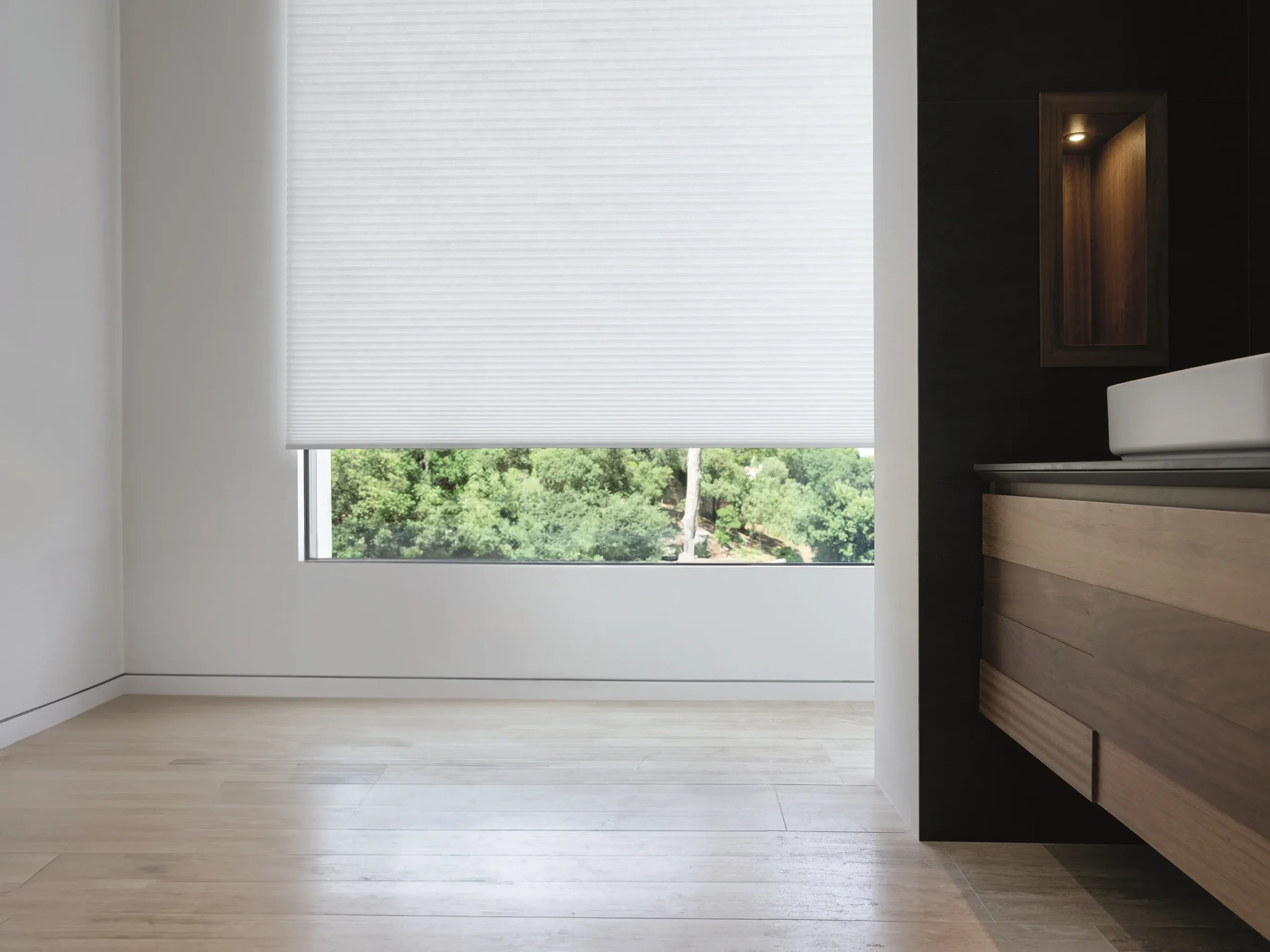
- Effective Light and Privacy Control: Tailored treatments, such as pleated blinds, cellular shades, or motorised solutions, help manage privacy, diffuse glare, and regulate sunlight for angled windows.
- Convenience with Motorised Options: Remote-controlled and smart home-integrated systems simplify accessibility for hard-to-reach or high-placed angled windows.
Have you ever admired the charm of angled windows but felt unsure about how to maximise their potential? These angled windows add character and architectural flair to any space, offering enhanced natural light and stunning views. Their unconventional design can leave you wondering how to decorate or manage them effectively.
Angled windows bring undeniable beauty and functionality, but their non-standard shapes often require custom solutions. From controlling sunlight to framing outdoor scenery, getting the right balance between style and practicality can be tricky.
That’s where this guide steps in.
Whether you’re looking to maximise light, elevate your home’s aesthetic, or tackle challenges like glare and heat, this article will provide you with practical tips and inspiring ideas. By the end, you’ll feel confident turning your angled windows into standout features that enhance your space in every way.
Understanding Angled Windows
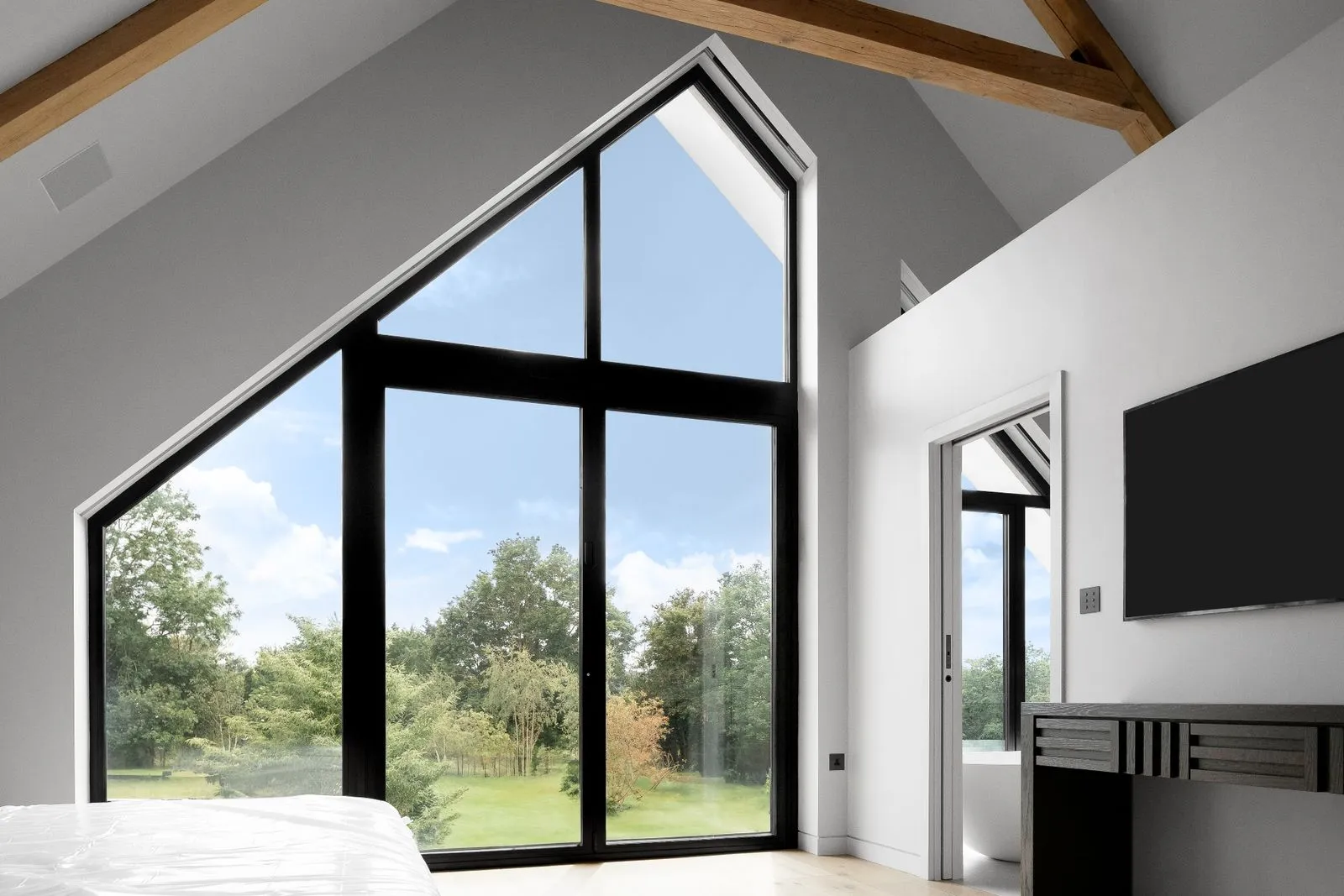
Angled windows feature sides that slant inward or outward, creating shapes that differ from standard rectangles or squares. These unique structures are commonly seen in contemporary designs, A-frame homes, and under gables or roofs, bringing visual character to interiors.
Architectural Appeal
Angled windows provide architectural interest, transforming plain walls into focal points. Their distinctive shapes enhance a building’s style, adding charm and individuality. Whether framing scenic views or highlighting structural elements, these windows contribute to a meaningful design statement.
Maximising Natural Light
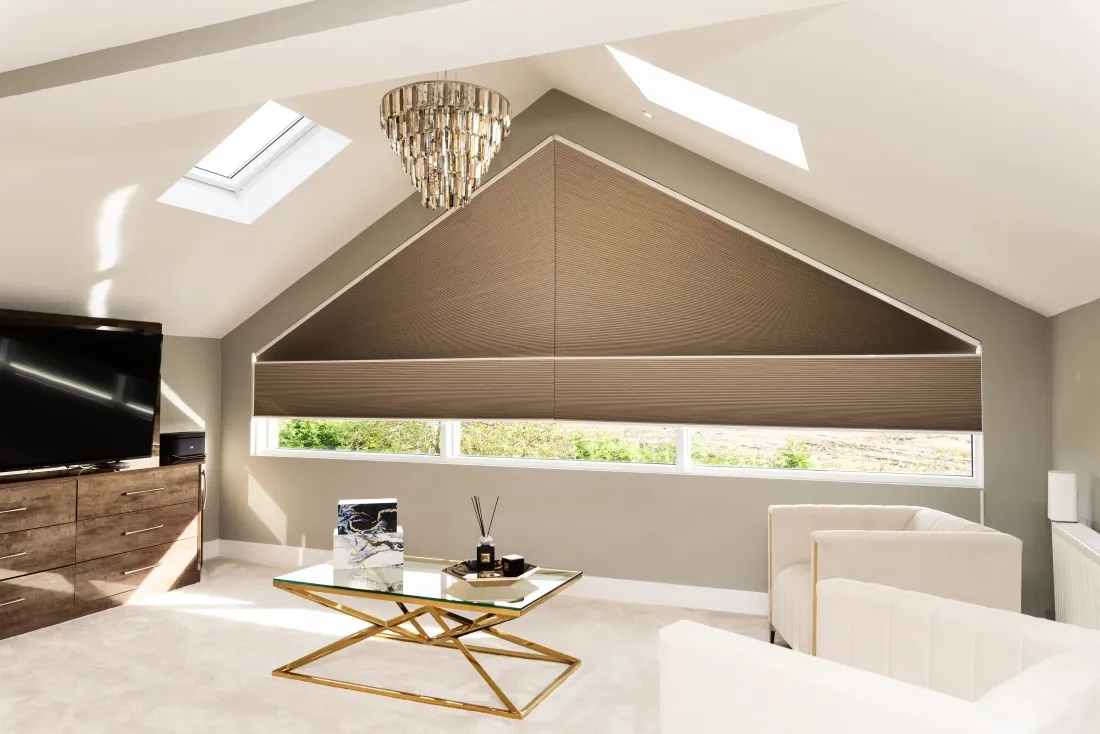
Angled windows also known as Raked windows allow more natural light into areas that traditional windows often cannot. Configuring these windows based on orientation enables you to capture sunlight throughout the day. For example, south-facing angled windows flood spaces with light during daylight hours, creating bright, vibrant environments.
Expansive Views
Angled windows offer broader, more captivating views of the exteriors. These windows may frame specific outdoor features, such as gardens, forests, or architectural structures, thereby elevating the connection between the indoors and outdoors. Highlighting such vistas adds depth and openness to your space’s style and mood.
Exploring Design Challenges
Even though they offer benefits, angled windows often require customised solutions due to their unconventional shapes. Pre-made treatments rarely fit properly, especially for variations like right triangles, isosceles triangles, or trapezoids. Temperature and light control add to the complexity, particularly for windows exposed to intense sun or heat. Combine materials and treatment styles to create the perfect balance between functionality and beauty across various shapes and angles.
Can You Fit Electric Blinds Into Angled Windows?

Yes, it’s possible to fit blinds into angled windows when installing the right systems and components. Custom blinds designed for angled shapes provide both functionality and an aesthetic solution for these unique architectural features. While it might seem challenging, accurate measurements, proper equipment, and expert guidance make the process manageable.
Preparing for Installation
Ensure all necessary materials, such as blinds, brackets, screws, and supporting hardware, are on hand before starting. Refer to the product-specific installation instructions for details on bracket placement and any additional components required. For angled designs, these steps ensure a seamless fit and reduce installation difficulties.
Measuring and Positioning
Precise measurements are critical for angled windows to secure a proper fit. Use a steel tape measure for accuracy, especially when measuring irregular angles. Verify that the dimensions of both the frame and window edges align with the design of the blinds to eliminate gaps or misalignment.
Installation Steps for Angled Blinds
- Bracket Placement: Position brackets in the upper corners of the window frame. If the design includes a valance, place the brackets slightly recessed to secure the decorative trim.
- Securing the Brackets: Mark screw holes with a pencil, drill pilot holes to prevent splitting, then attach the brackets using screws. For drywall mounts without studs, install appropriate wall anchors for added stability.
- Alternative Operation: Use remote-controlled mechanisms for added convenience with hard-to-reach angled windows. This enables the adjustment of blinds without requiring manual access.
Examples of Blind Types
- Venetian Blinds: Provide light control with adjustable slats.
- Vertical Blinds: Ideal for larger, corner, or bay windows.
- Perfect Fit Blinds: Snap into the frame, leaving no gaps.
Final Adjustments
After securing the brackets, attach the blinds as instructed. If tilting mechanisms or bottom bar adjustments are necessary, align these to ensure smooth operation. For slanted systems, test the movement thoroughly to verify full functionality and alignment.
Professional assistance or detailed online resources, such as video guides, can further simplify the process. Custom-made blinds ensure an effective, perfectly fitting outcome for aesthetically pleasing and functional results in angled windows.
Common Challenges with Angled Windows

Unique Shapes and Custom Solutions
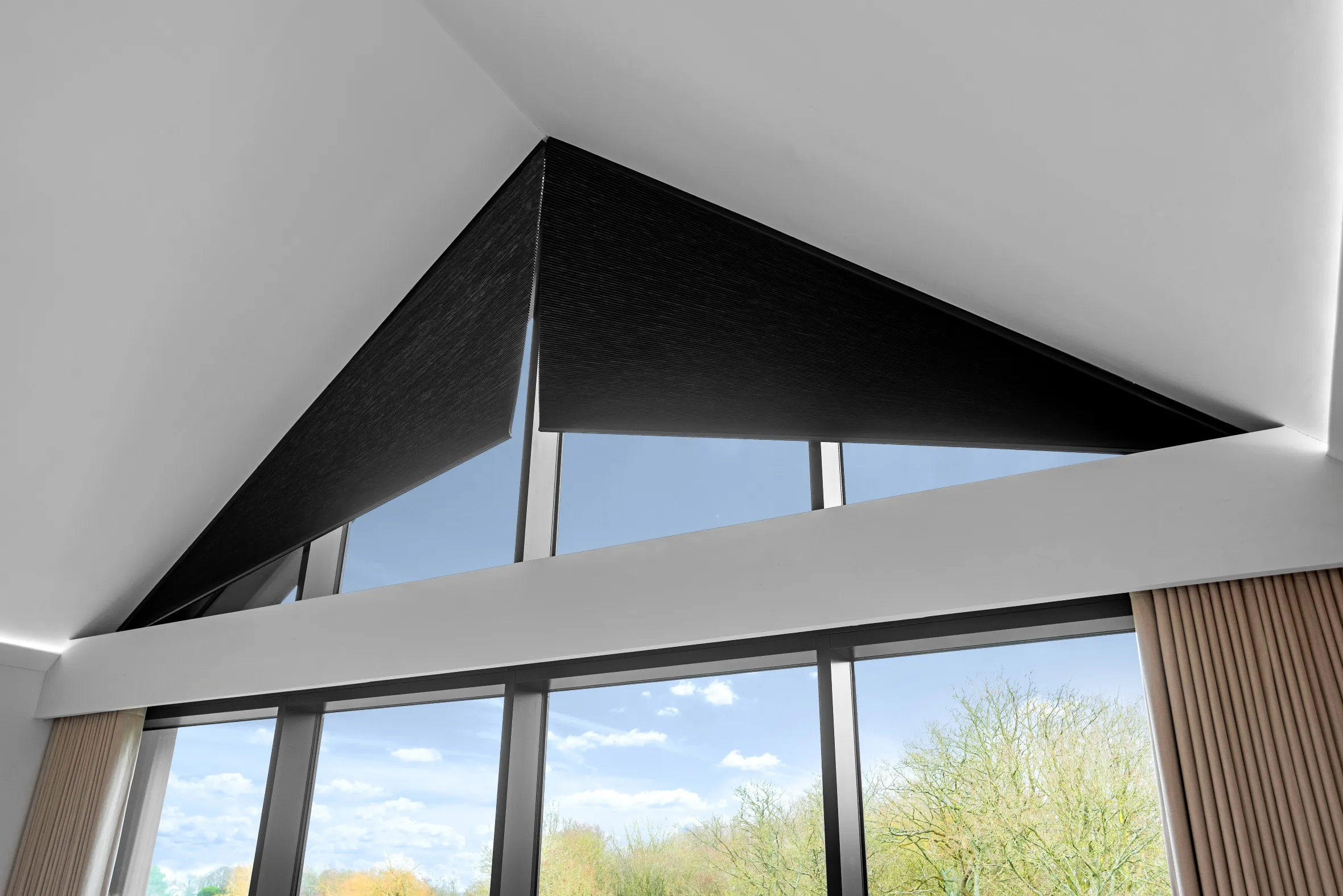
Angled windows come in distinct shapes, such as triangular, arched, or trapezoidal, differing from standard rectangular windows. These unconventional designs make it difficult to find ready-made window treatments that fit properly. Custom options, such as tailored blinds or shades, are often essential to ensure complete coverage and functionality.
Privacy and Light Control
Managing privacy and light can be tricky due to the irregular angles. Custom-fit solutions, such as vertical or pleated blinds, provide better coverage and allow for precise control over light levels. For example, in south-facing angled windows, intense sunlight can cause glare or overheating. Proper coverings help balance light entry and protect interior furnishings from fading.
Measurement and Installation Complexity
Measuring and installing treatments for angled windows requires precision due to their slanted or uneven dimensions. Without accurate measurements, window coverings may not fit properly, compromising both aesthetics and functionality. In some cases, professional help or specialised tools may be necessary for an accurate fit and smooth installation.
Aesthetic Integration
Blending angled windows into a room’s aesthetic can be a challenging task. Treatments must complement their unique architectural features while maintaining functionality and aesthetic appeal. For instance, rectangular blinds may obscure the window’s shape, whereas motorised or uniquely designed treatments preserve the visual appeal while adding convenience.
Accessibility and Operation Issues
High or hard-to-reach angled windows may complicate daily operations. Motorised systems, including remote-controlled blinds or automated openers, offer an efficient solution. They eliminate the hassle of manual adjustments, especially for windows positioned under high gables or roofs.
Orientation and Environmental Impact
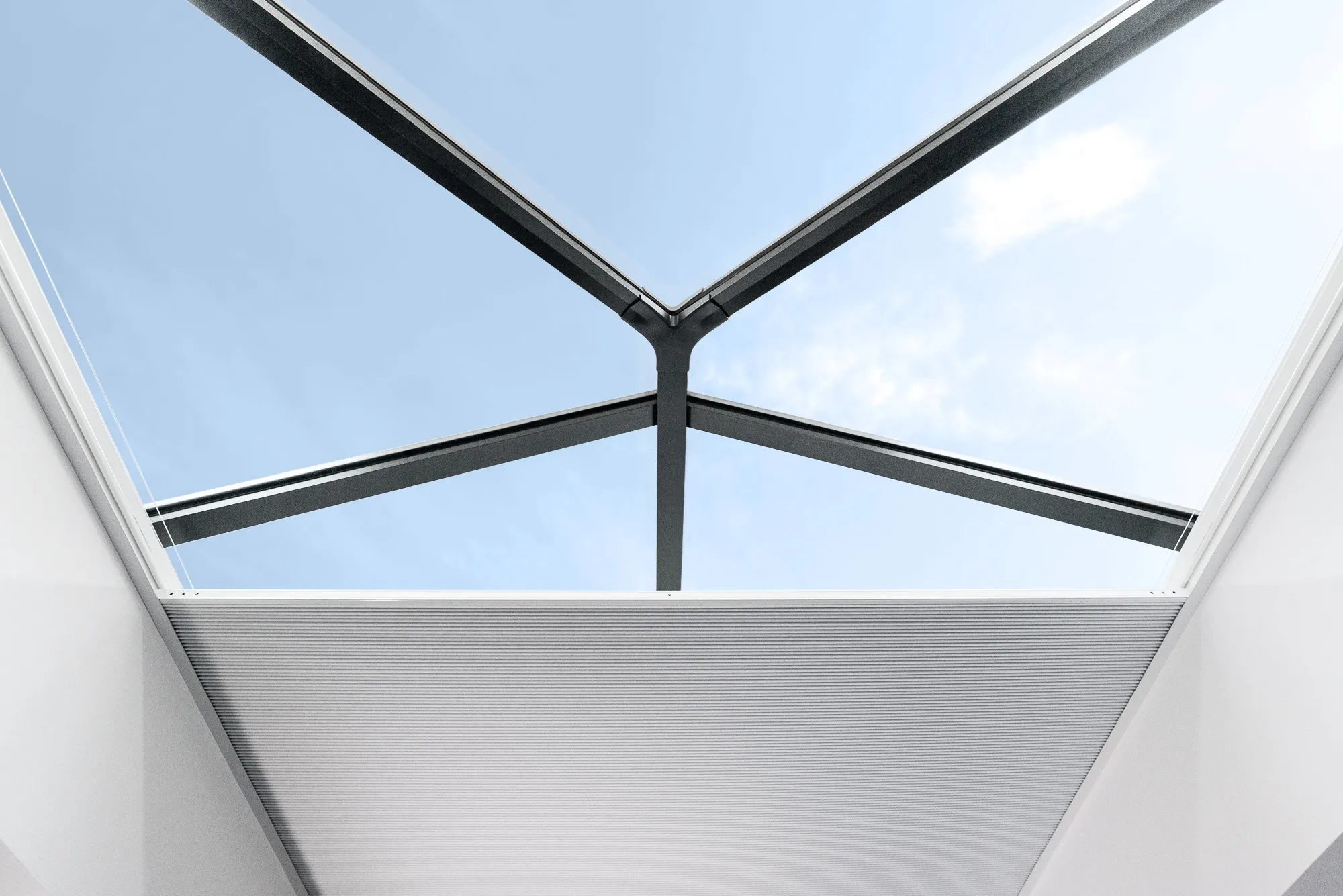
Angled windows facing sun-dominant directions, particularly those facing south, can amplify issues such as heat buildup or energy inefficiency. Effective thermal coverings, such as cellular shades, insulate windows and regulate room temperature, improving energy efficiency and reducing costs.
Architectural Design and Visualisation
Architectural or software design difficulties arise when modelling angled windows to align with the roof pitch or other elements. While tools like 3d design software accommodate these needs, intricate knowledge is often required, making the process resource-intensive.
Best Window Treatment Options

Finding the ideal coverings for angled windows strikes a balance between style, practicality, and precision. The unique shapes of these windows mean standard solutions rarely suffice, but customised treatments resolve these challenges effectively.
Custom Blinds and Shades
Custom-made blinds and shades offer tailored solutions for angled windows, ensuring a proper fit and optimal functionality.
- Venetian Blinds: These adjustable slats offer precise light control while maintaining privacy. Their custom build allows them to fit the varying angles of windows perfectly, making them ideal for triangular or trapezoidal designs.
- Vertical Blinds: Particularly suited for large angled windows, vertical blinds align well with sloped sides, offering excellent coverage and light-blocking capabilities.
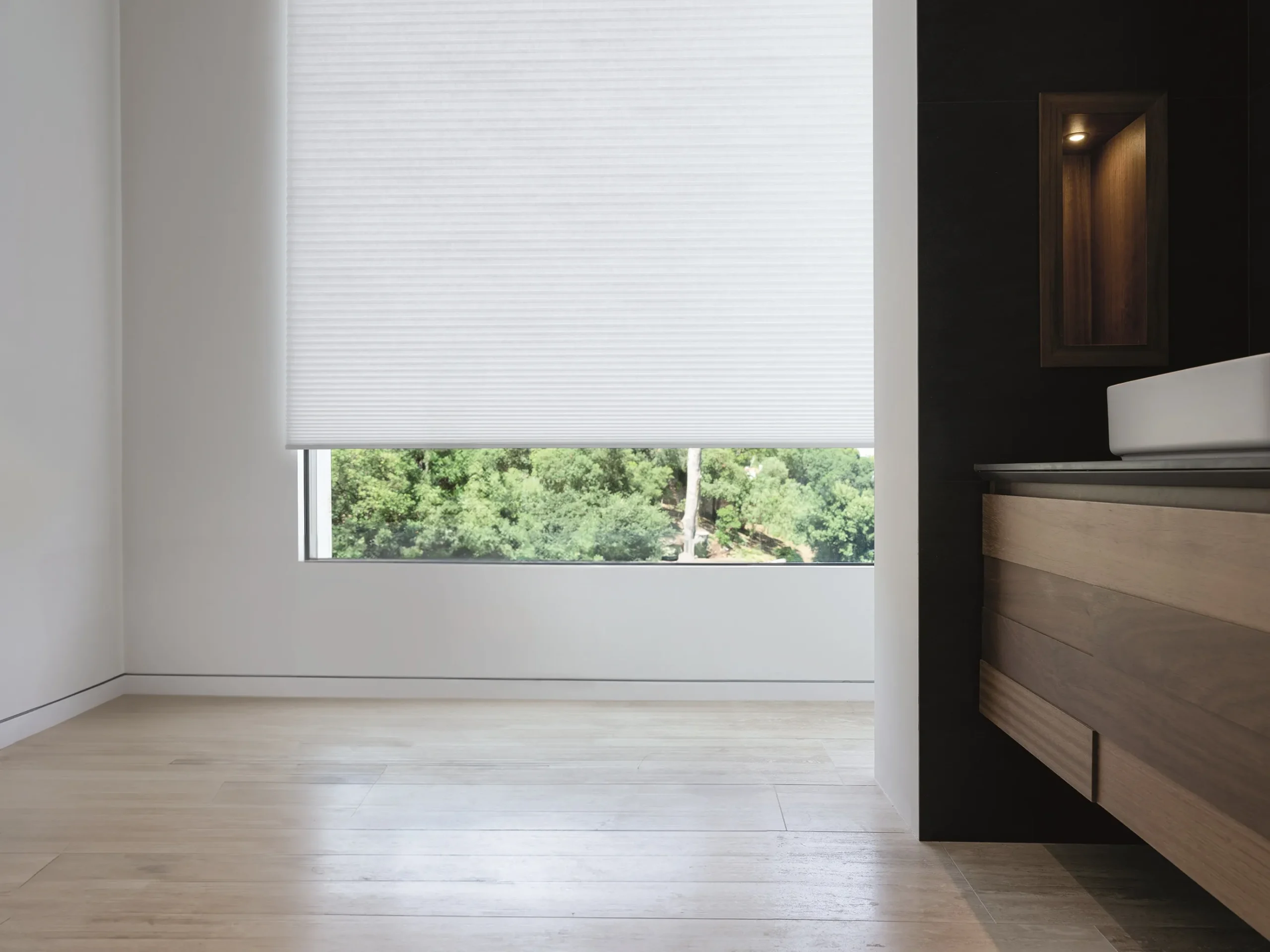
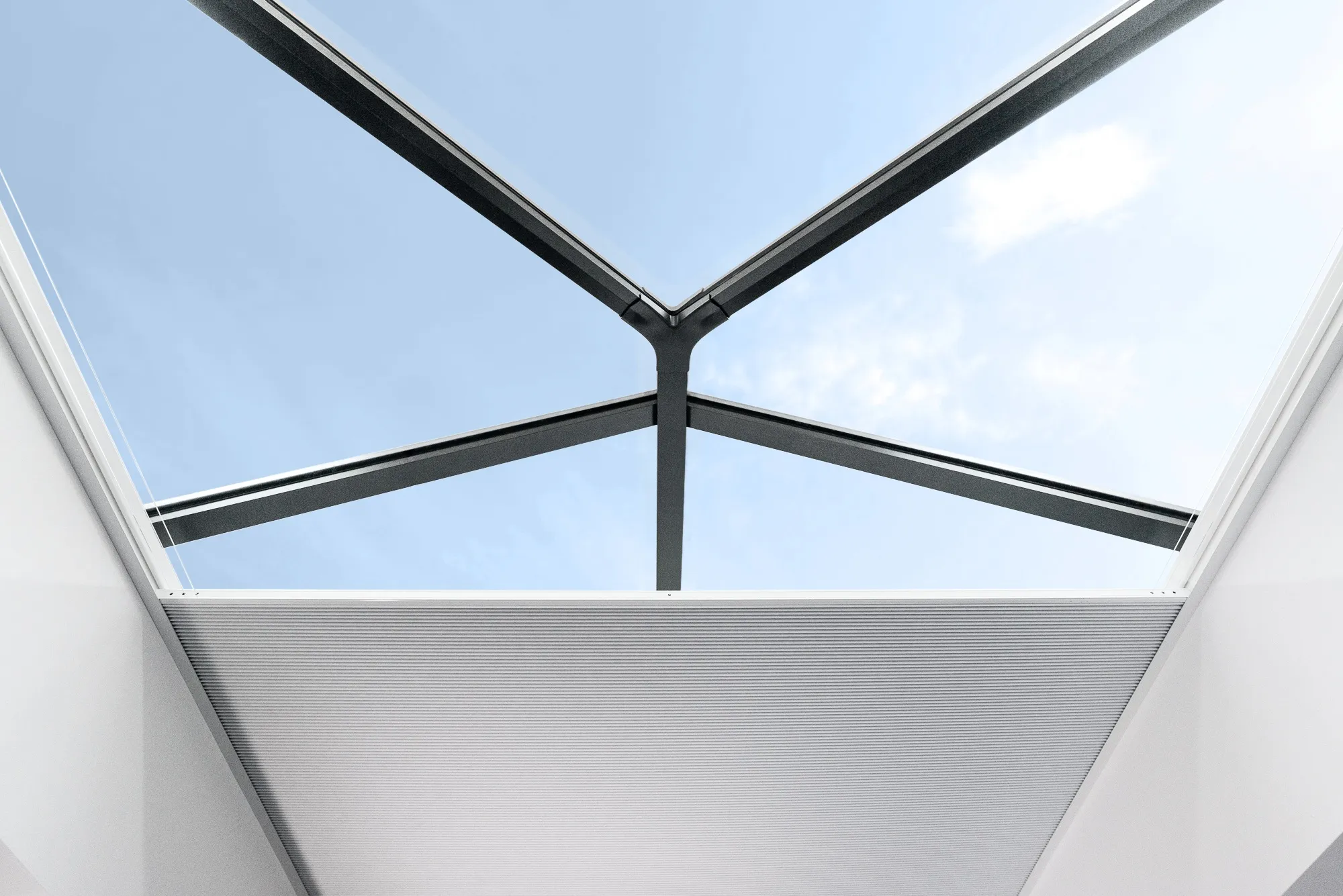
- Cellular Shades: Known for superb insulation and light management, cellular shades can be customised to suit unconventional shapes, addressing temperature control concerns for south-facing angled windows.
Utilise custom shades or blinds to seamlessly blend functionality and design, ensuring optimal light control and privacy without compromising your home’s aesthetic.
Innovative Solutions for Hard-to-Reach Angles
For angled windows that are high or obstructed, innovative treatments simplify usability while enhancing convenience.
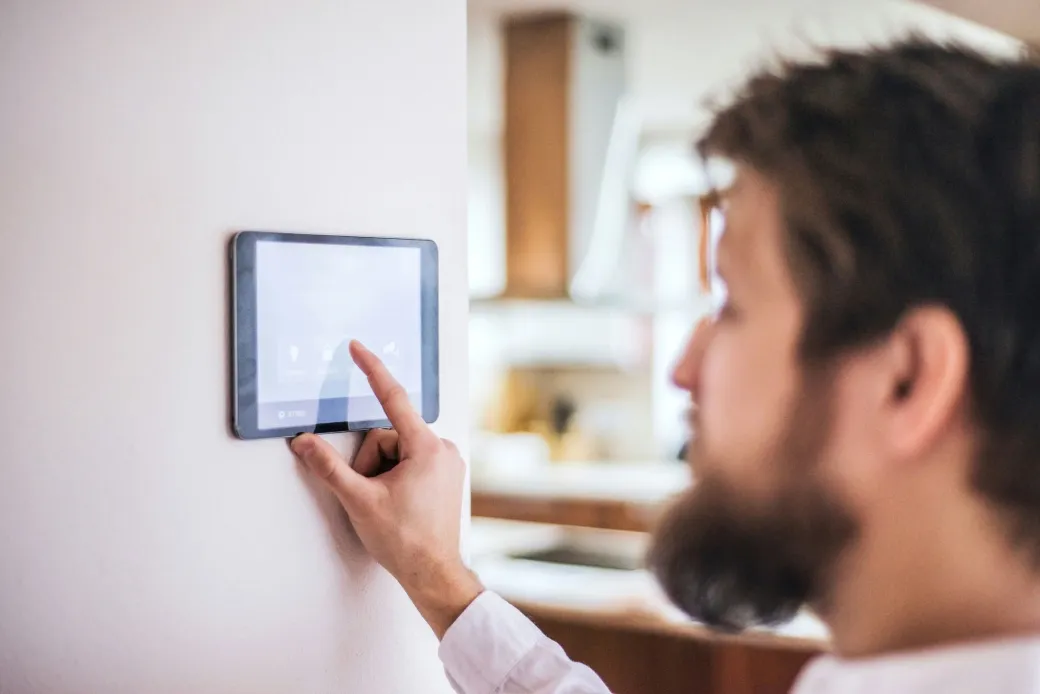
- Motorised Blinds and Shades: Motorised systems utilise remote or smart controls, allowing easy adjustment of coverings in otherwise inaccessible areas. These also integrate with smart home ecosystems for scheduled adjustments.
- Cordless Options: Cordless blinds eliminate dangling cords, ensuring safety and convenience, particularly in homes with children or pets. They provide a cleaner appearance and fewer mechanical complications.
- Smart Home Integration: Automated control of blinds and shades is available with smart home integration, allowing for adjustments based on time, weather, or manual app settings for enhanced energy efficiency and comfort.
Incorporate these advanced options to maximise ease of use and access, even for the most challenging window angles.
Conclusion
Angled windows are a distinctive architectural feature that can enhance your home’s design while providing practical benefits, such as increased natural light and stunning views. With the right approach, you can overcome the challenges of their unconventional shapes and transform them into standout elements of your space.
By choosing customised treatments, prioritising accurate measurements, and considering innovative solutions like motorised blinds, you can achieve both functionality and style. Proper care and maintenance will ensure your angled windows remain a long-lasting and visually appealing feature in your home.
Frequently Asked Questions
What Are Angled Windows, and Where Are They Commonly Found?
Angled windows are architectural features with slanted or non-rectangular shapes, such as triangular or arched designs. These windows are often found in contemporary homes, A-frame constructions, or under gables and roofs, adding visual interest and maximising natural light.
How Do Angled Windows Enhance Space and Aesthetic Appeal?
Angled windows enhance spaces by flooding them with natural light and creating dramatic focal points. They frame outdoor views beautifully, elevate interior design, and add unique architectural character to any home.
What Are Common Challenges of Decorating Angled Windows?
The primary challenges include finding ready-made treatments that fit the unique shapes, ensuring proper light control, and maintaining privacy. These issues often require custom solutions, such as made-to-measure blinds or shades.
What Are the Best Window Treatments for Angled Windows?
Custom options, such as Venetian, vertical, cellular shades, and motorised blinds, work best. These treatments offer tailored solutions, allow for light control, and can enhance the room’s aesthetics.
Can Blinds Be Fitted to Angled Windows?
Yes, blinds can be fitted to angled windows, but they usually require customisation. Accurate measurements and specialised components are essential for a seamless fit and smooth operation.
How Do You Measure Angled Windows for Custom Treatments?
Measuring angled windows involves taking measurements of width, height, and angle at multiple points. Ensuring precision with tools and double-checking measurements is crucial for a proper fit.
Are Motorised Blinds a Good Choice for Angled Windows?
Yes, motorised blinds are excellent for angled windows, especially if they are high or hard to reach. They provide convenience, safety, and can integrate with smart home systems.
What Materials Are Best for Angled Window Treatments?
Materials like thermal fabrics, cellular shades, and lightweight yet durable options are ideal. These materials enhance insulation, improve energy efficiency, and maintain a stylish appearance.
How Do You Maintain and Clean Angled Window Treatments?
Use a soft cloth or vacuum with a brush attachment to clean blinds. Regular lubrication of moving parts and inspections for wear can keep the treatments functioning effectively.
What Privacy Solutions Work Best for Angled Windows?
Tilt-adjustable blinds or motorised options provide excellent privacy. Cellular or vertical shades can also offer coverage while maintaining light control.